THE WINE-MAKING PROCESS
Oenology is a complex and fascinating field which, for those with an interest in it, remains a true source of discovery and enjoyment. Whilst the winemaking process for white and rosé wines differs from that for red wines, the basic principles involved in their production are very similar.
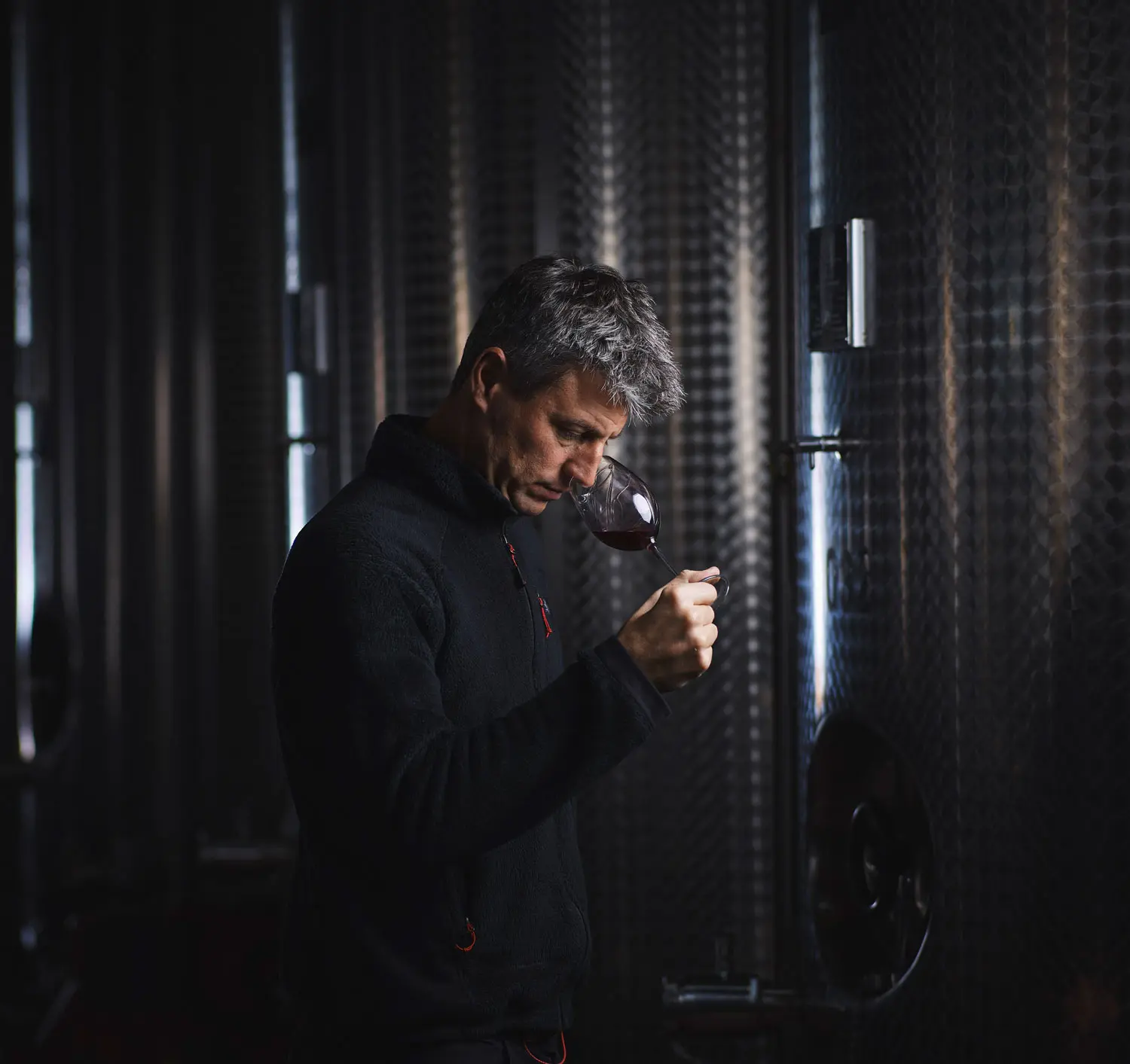
1 - WINE: A LIVING SUBSTANCE
A living substance that evolves with age, wine is defined as ‘a fermented drink made from fresh grapes’.
Depending on climatic conditions and the expertise of each winegrower, its character changes from year to year. The nature of the terroir will also determine different characteristics for the same grape variety.
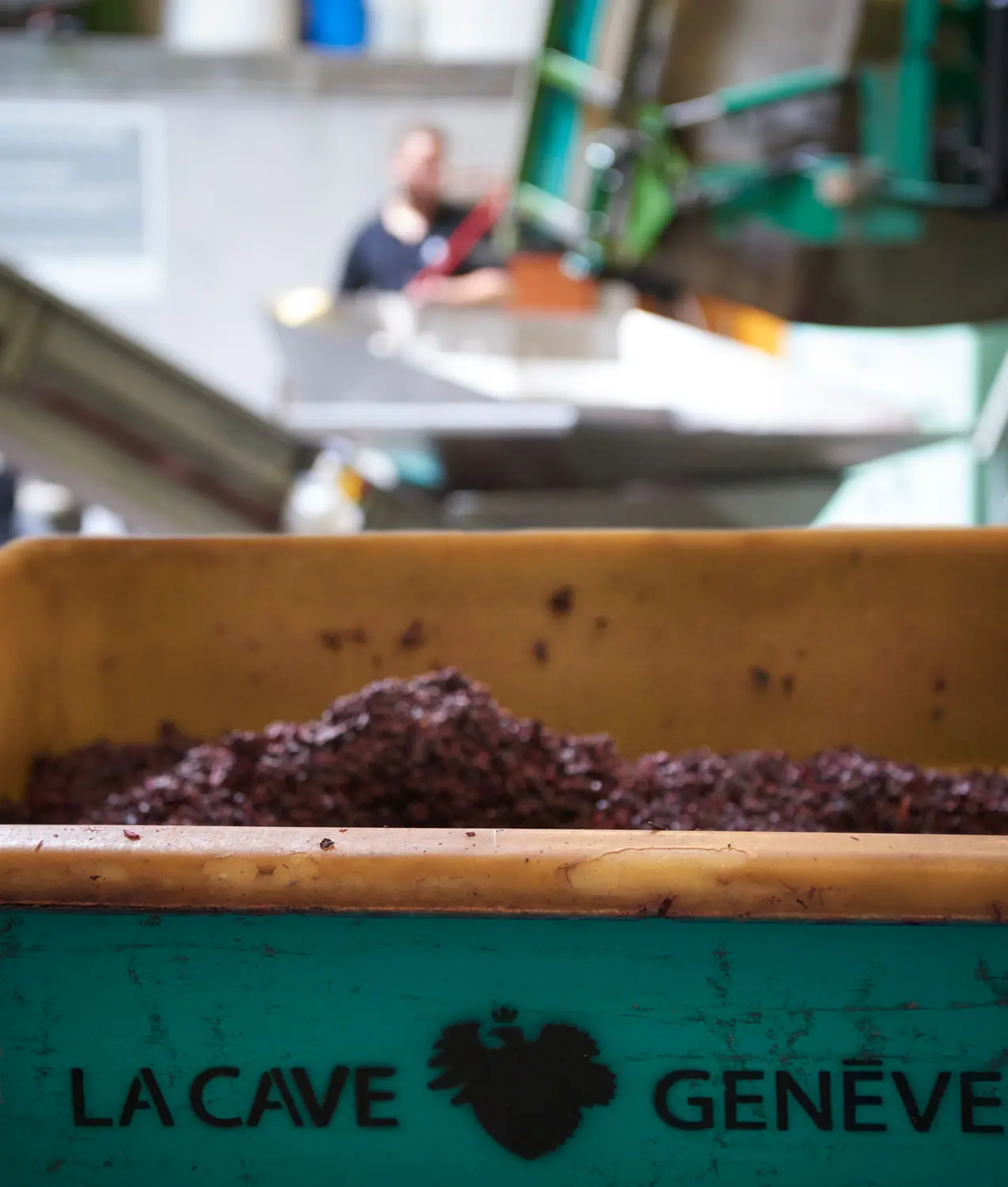
2 - WINE-MAKING, FERMENTATION AND AGEING
Winemaking refers to the process of transforming grapes or grape juice into wine through fermentation. The term also refers to the full range of techniques used in this process.
Fermentation refers to the process by which the sugar contained in grapes is converted into alcohol by yeasts. Ageing, on the other hand, encompasses all the techniques used to guide a wine from its early stages to full maturity.
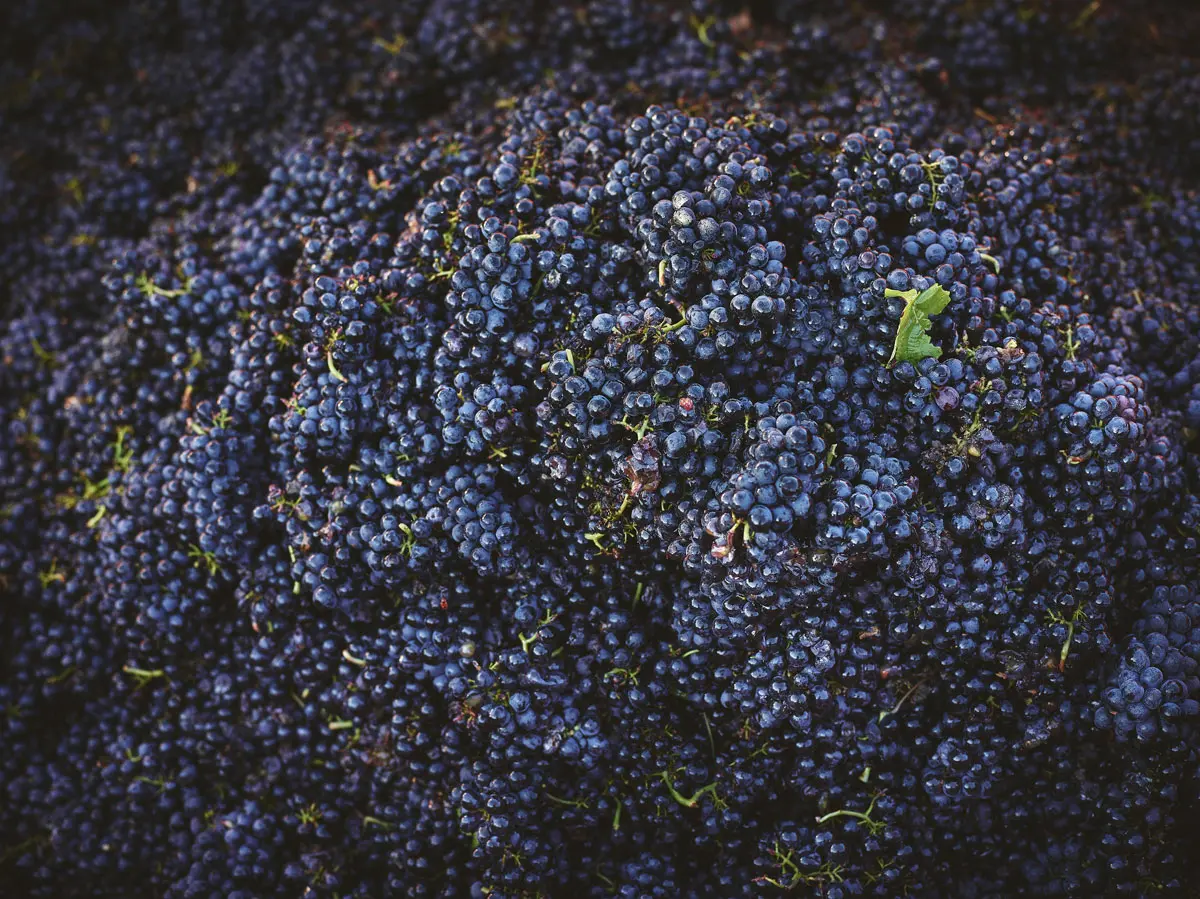
3 - THE PULP AND THE SKIN
Whether the grapes are red or white, the flesh of the berries is, with a few exceptions, always translucent. The colour pigments are found in the skin of the berries, known as the husk. It is the length of time the skin remains in contact with the juice (maceration) that determines the colour of the wine.
If a red grape is pressed straight away, the juice will be clear or slightly pink. Macerating it for a few hours will produce a pink juice, whereas after several days, the juice will be red.
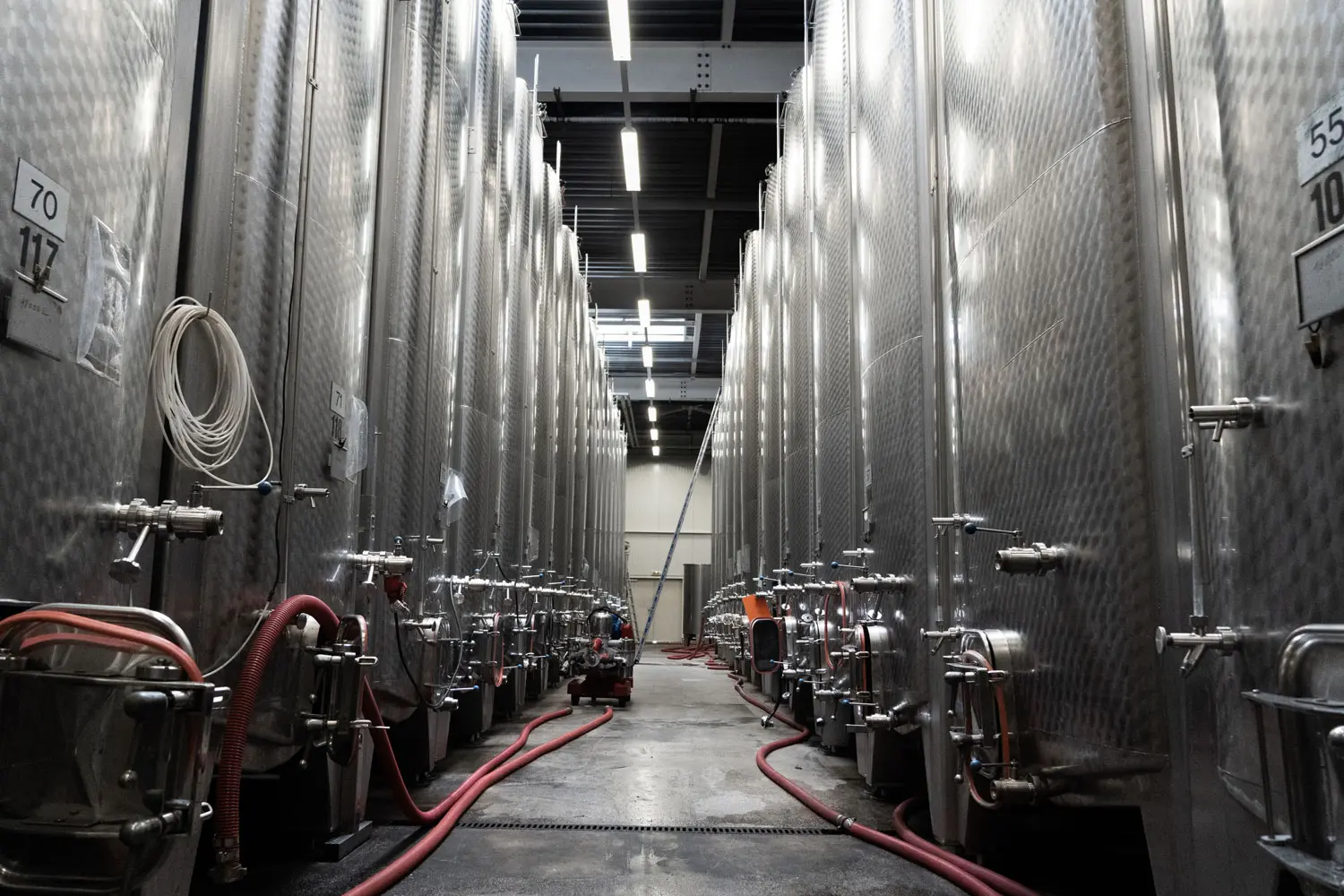
4 - THE PRODUCTION OF WHITE WINES
After the harvest, the white or red grapes are first destemmed in the cellar – that is, the berries are separated from the stems – and sent to a press. After pressing, the white juice obtained is stored in vats for an initial settling.
At the end of this stage, the juice is clear. Next comes fermentation, which is the process of converting sugar into alcohol. Thanks to the action of bacteria, malolactic fermentation begins. This is the process that reduces the natural acidity of the original grape juice and gives the wine its suppleness and roundness.
5 - THE PRODUCTION OF ROSÉ WINES
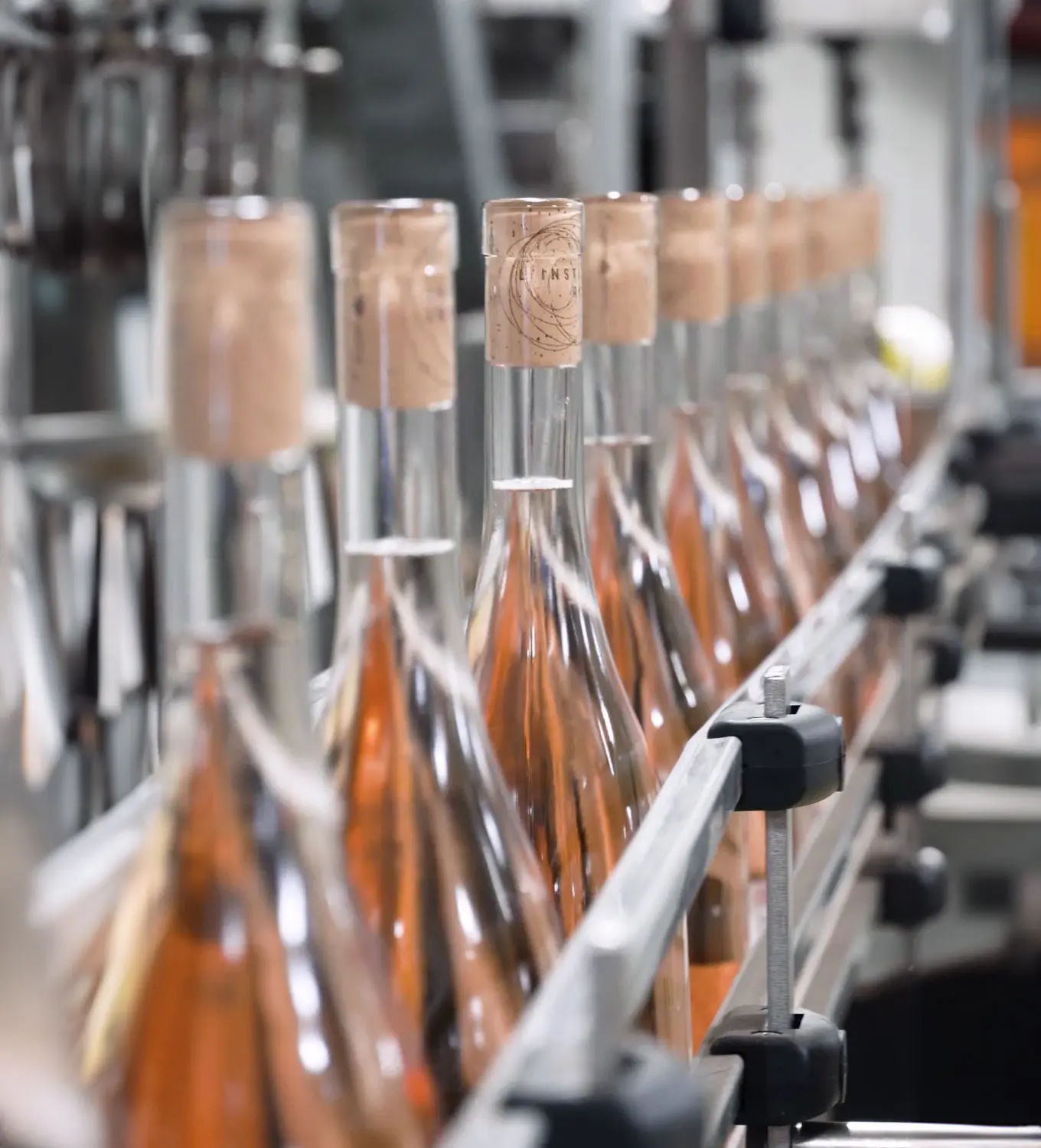
Rosé wine is produced by leaving the dark skins of the grapes to macerate in the juice for a few hours.
For its rosé wines, La Cave de Genève uses the direct pressing method, which allows the components of the skins to impart varying degrees of colour to the must, whilst also adding structure and aromas. For this type of wine, fermentation usually takes place in vats.
6 - RED WINE PRODUCTION
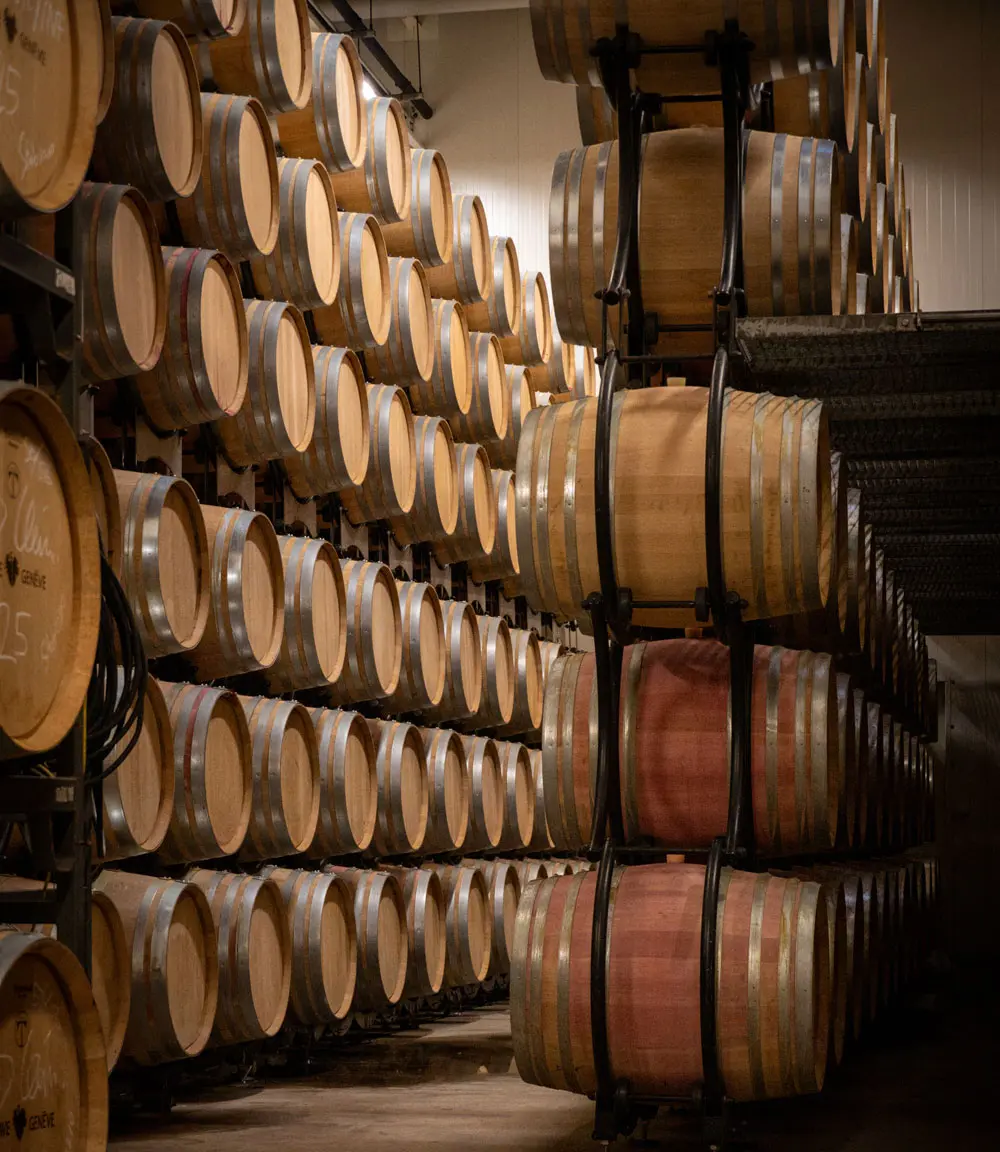
After the harvest, the black grapes are destemmed and then sent directly into the fermentation vats. Under the action of yeasts, the must begins to ferment and the sugar is converted into alcohol. Between 10 and 15 days later, the resulting wine is racked from the fermentation vats and then stored in other vats. The marc (the solid residue left in the first vat) is then fed into the press, from which the press wine – highly concentrated in colour and tannins – is extracted. This wine may subsequently be blended with the first wine to reinforce its structure.
During the winemaking process, malolactic fermentation takes place. The desired style of wine determines whether ageing takes place in tanks (stainless steel) or in oak barrels for a period ranging from 10 to 12 months. The wood enriches the wine’s aroma and structure. Furthermore, ageing in barrels allows the tannins to soften. At the end of the ageing process, the wines from the various barrels or tanks are blended, filtered and then bottled.
6 - SPARKLING WINES
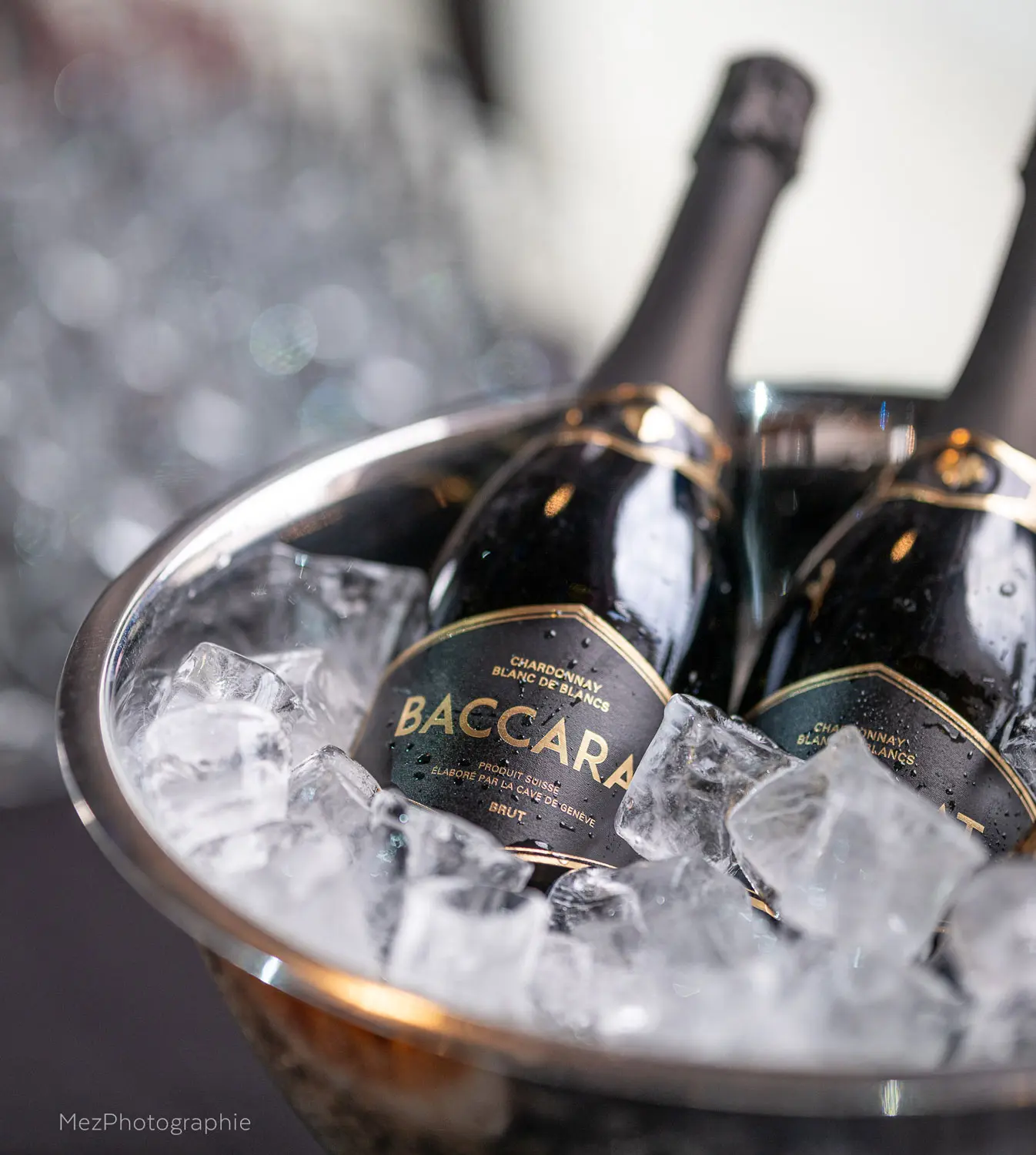
Contrary to popular belief, the process of carbonation is natural. The base wine is vinified using traditional methods. Next comes the ‘secondary fermentation’. In a hermetically sealed tank, alcoholic fermentation is initiated by adding sugar and yeast to the base wine. The fermentation of the sugars into alcohol then produces a significant amount of carbon dioxide which, unable to escape, dissolves into the wine.
Once the second fermentation is complete, the wine is chilled for several days, allowing the carbon dioxide to dissolve fully. This is how the fine, delicate bubbles are created – the very hallmark of our Baccarat range, with its fresh and intense aromas.