THE LIFE CYCLE OF THE VINE
Subject to the bounty of nature and the rhythm of the seasons, the fascinating annual cycle of the vine unfolds according to a very specific timetable. Discover the six stages that make up this cycle.
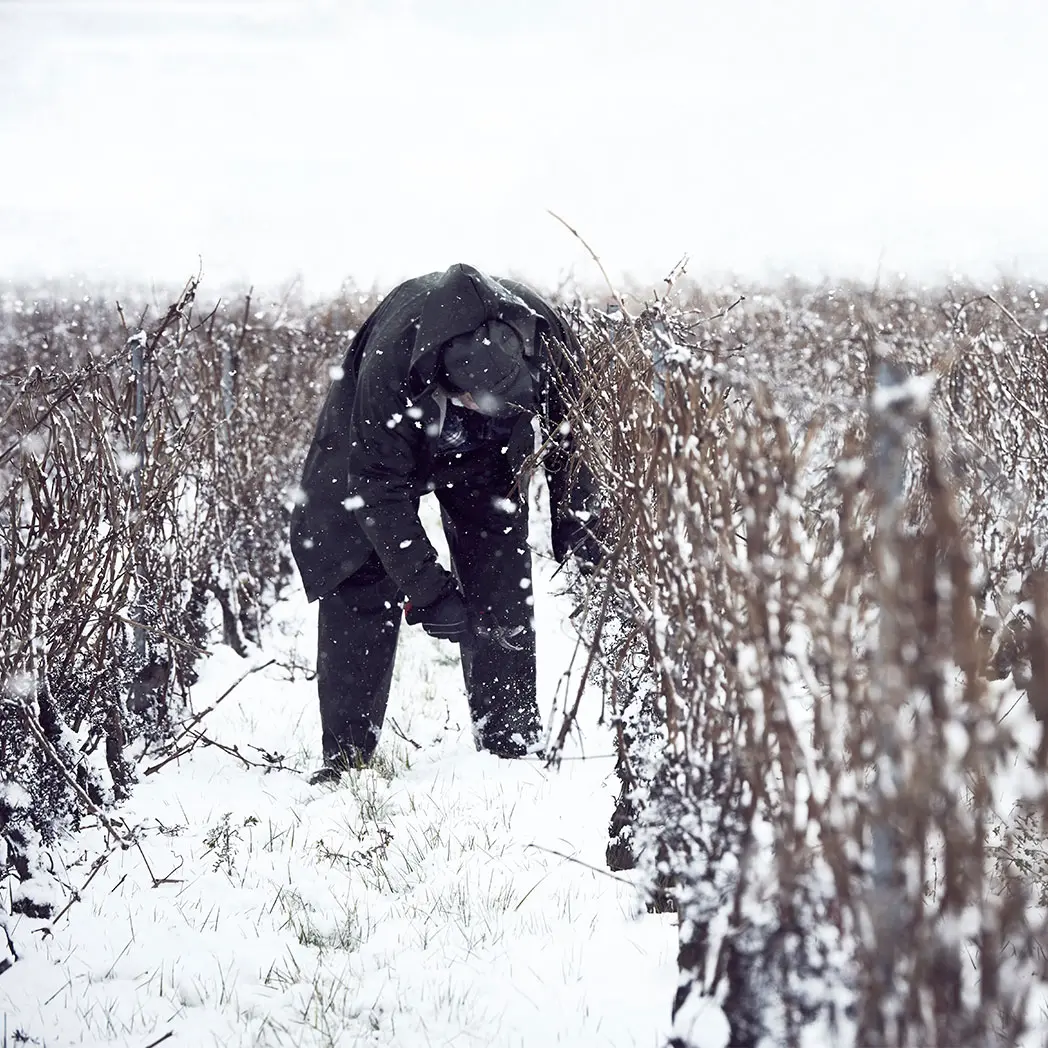
1 - DORMANCY
It’s a lovely word that refers to the period when the vines lie dormant during the winter months: December, January and February.
These tasks also include pruning, shredding vine shoots and old wood, and maintaining equipment such as stakes and wires.
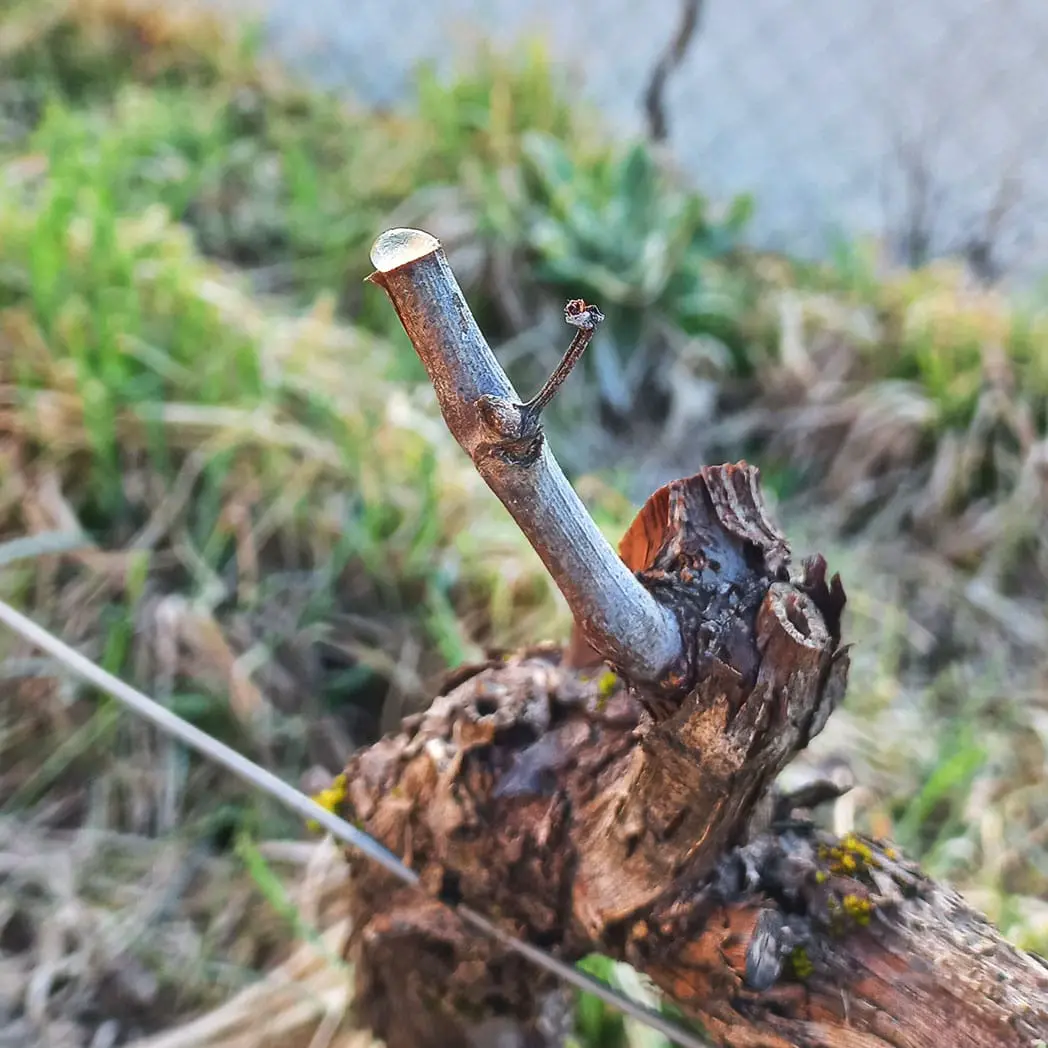
2 - THE RISE OF SAP
In early spring, you can see sap oozing from the pruning wounds at the tips of the shoots. These are the first signs of the vine’s gentle reawakening.
This is when people say that ‘the vine is weeping’. Then comes budbreak, which is when the first leaves emerge from the buds.
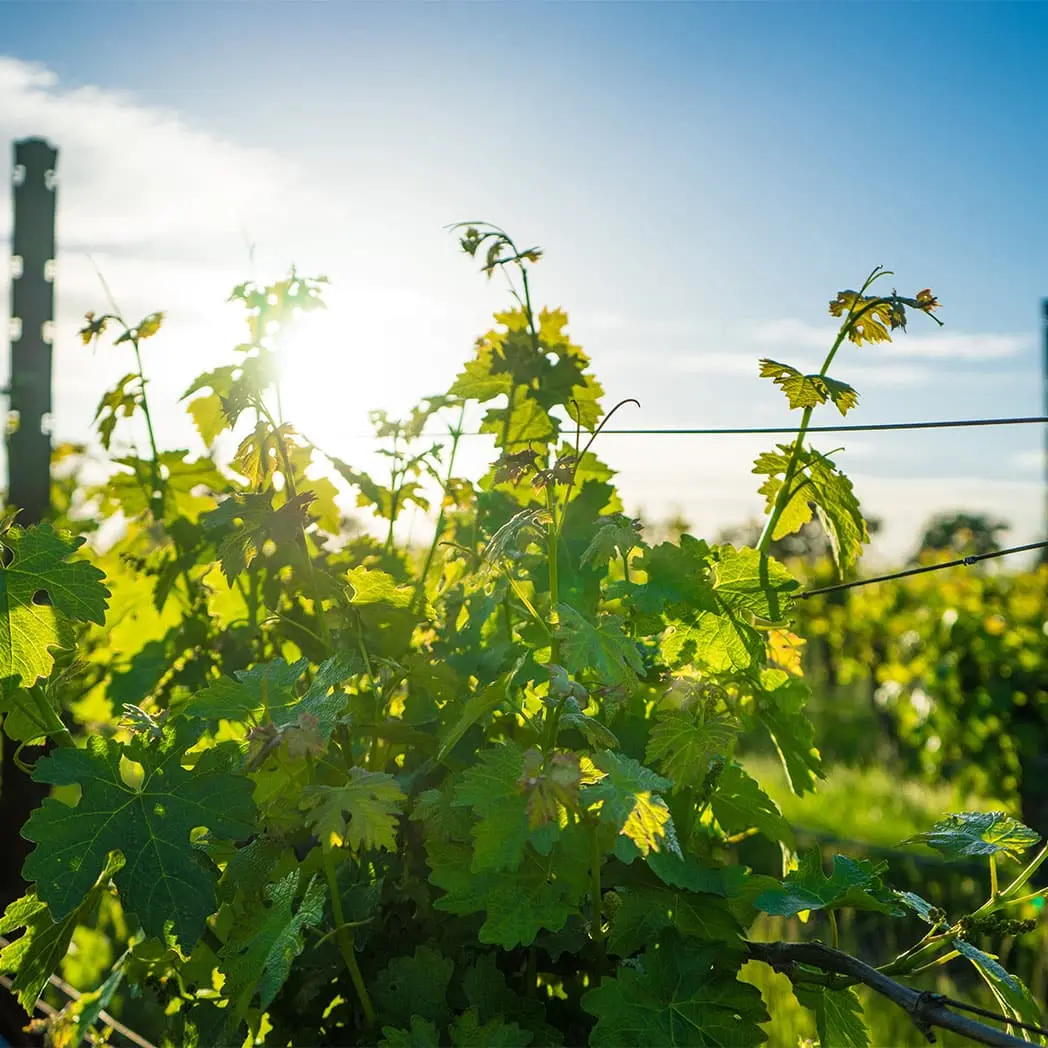
3 - FLOWERING
As the soil warms up in March and April, the shoots grow rapidly. During this phase, we begin weeding, ploughing and carrying out the necessary treatments. Once the flower clusters have formed, flowering will be in full swing in June.
Only a small percentage of the flowers – around 35 per cent – will be fertilised and go on to become berries. This is known as ‘fruit set’. It is also the ideal time of year to carry out a number of tasks such as trellising, suckering and pruning.
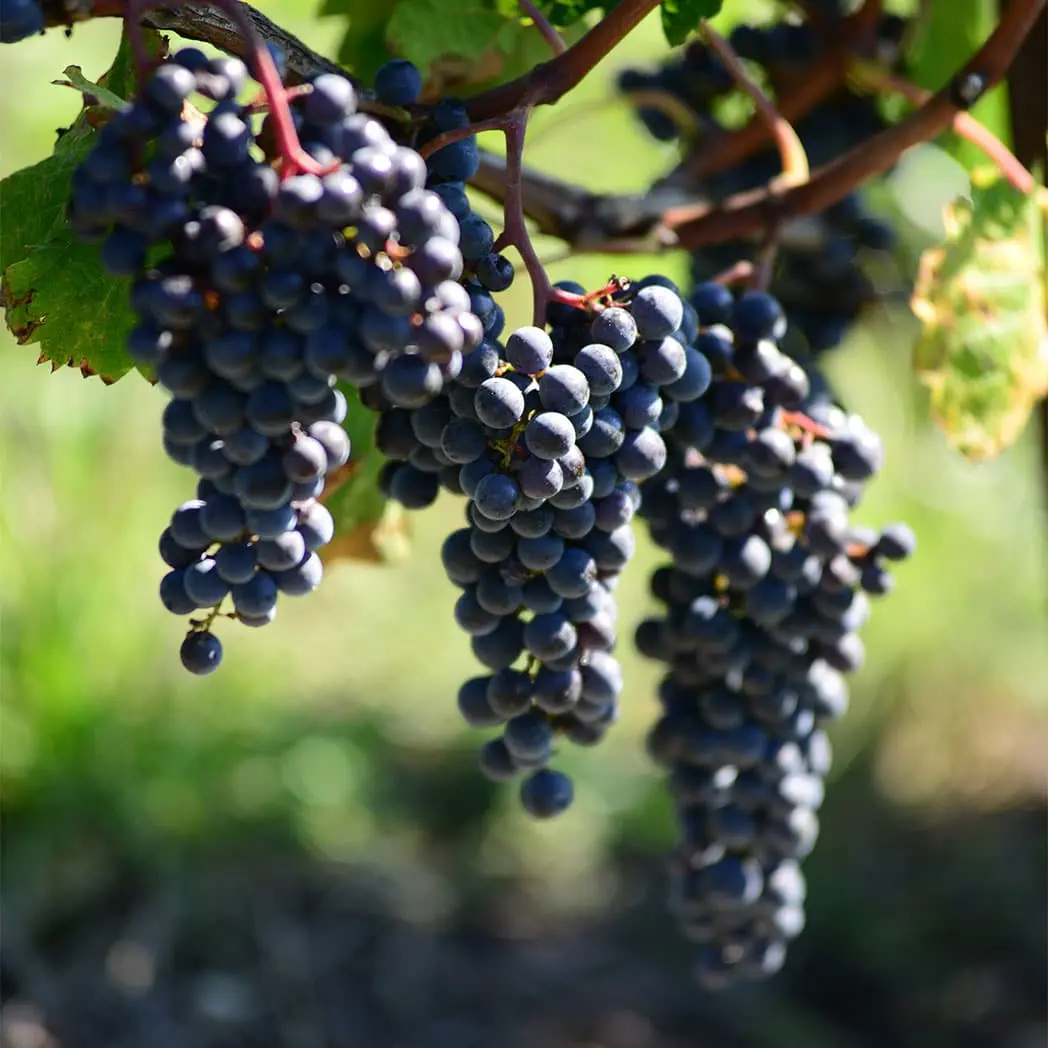
4 - THE VERAISON
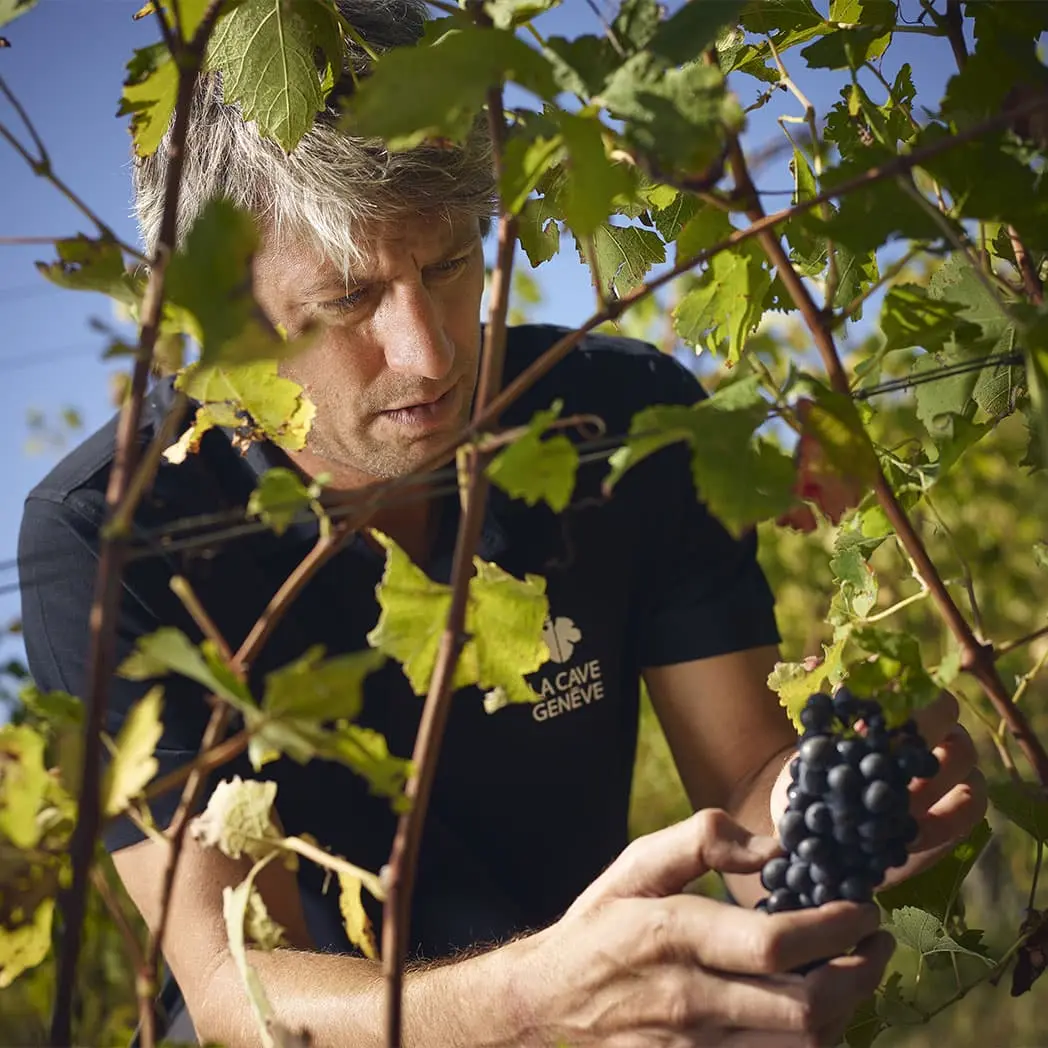
In July, the growth cycle continues at its own pace. Under the care of the winegrowers, the bunches grow larger and flourish in the sunshine. In August, the berries begin to take on their first colours and become rich in sugar. The vine and its shoots complete their growth cycle and the bark turns brown.
As the grapes ripen and continue to build up their sugar content… preparations for the harvest are underway!
5 - MATURATION
August and September are key and crucial months in viticulture. The weather will, in fact, largely determine the quality of the wine to come and the date of the forthcoming harvest.
6 - THE END OF THE SEASON
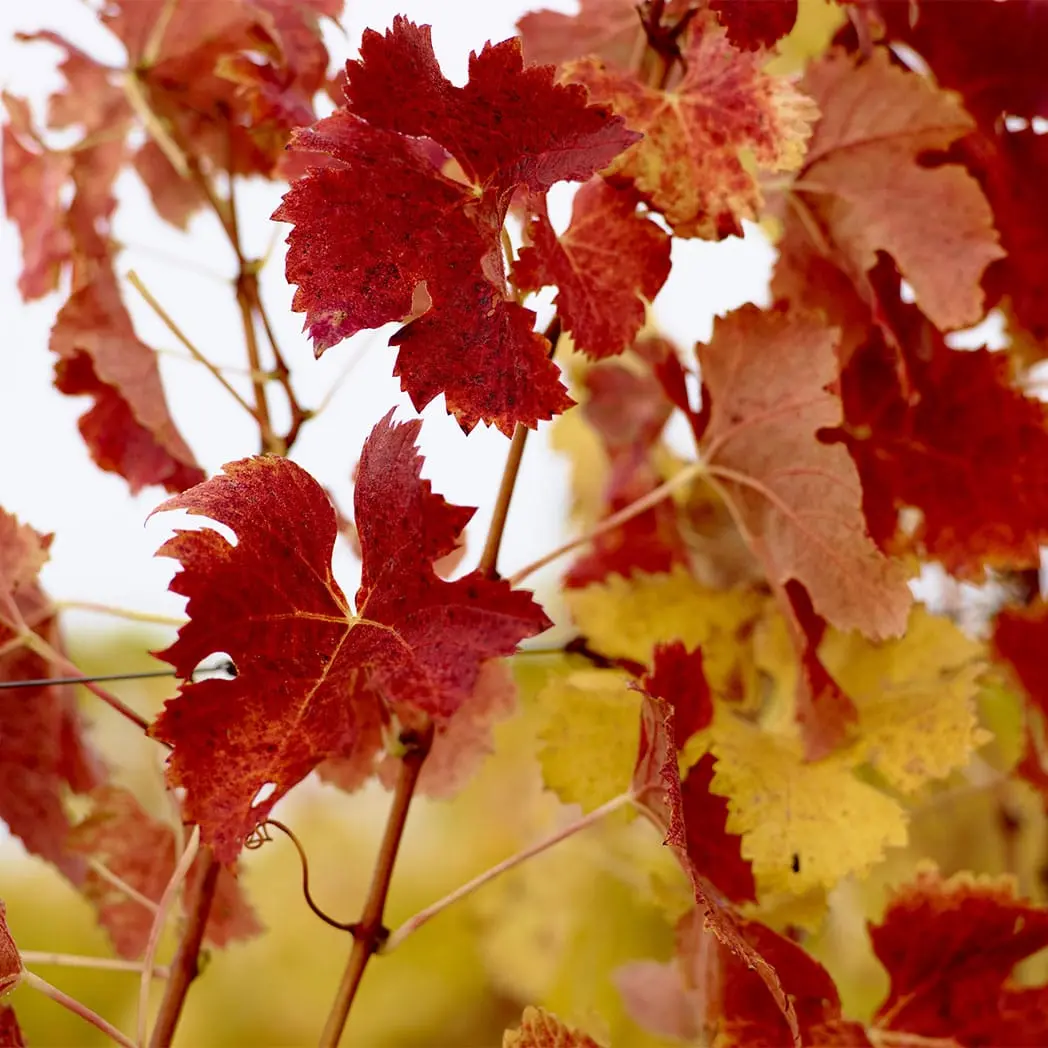
In October and November, the leaves on the vines take on magical hues. Healthy foliage is essential for the vine, which then begins to build up new reserves. The falling of the leaves, in turn, marks the end of an annual cycle.
A new adventure begins, as preparations are made for the next dormant period. Once the sap has subsided, the vine begins its well-deserved vegetative rest.